
Can Elderly People Regrow Hair?
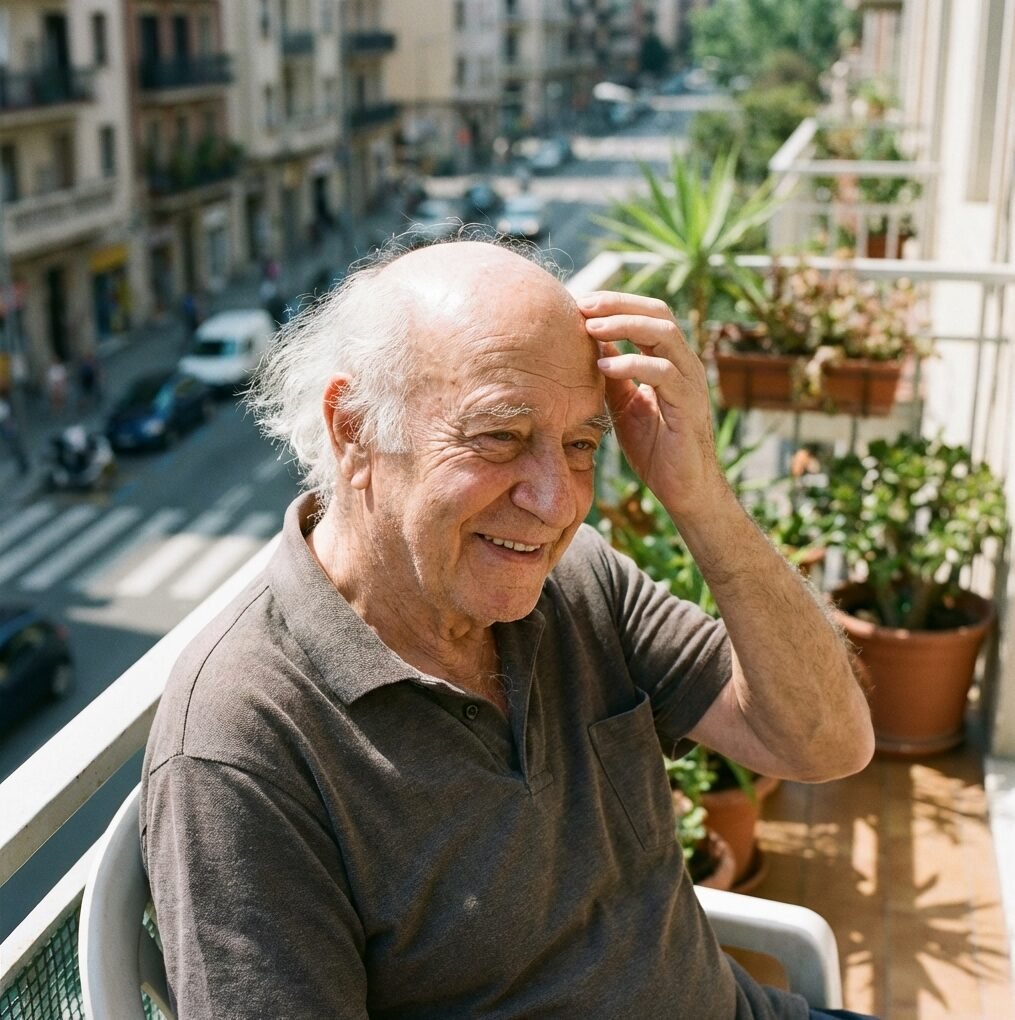
Can Elderly People Regrow Hair?
Hair thinning and loss are among the most common physical changes that come with aging, affecting both elderly men and women worldwide. Many people assume that once they reach an advanced age, hair regrowth is no longer possible and that baldness or thinning is an irreversible part of getting old. However, the truth is more hopeful: while aging does reduce the body’s natural ability to produce thick, strong hair, many elderly people can still experience noticeable hair regrowth and improved hair health with the right care, lifestyle adjustments, and gentle support. It may not be as fast or dramatic as in younger years, but improvement is absolutely possible.
One of the main reasons hair decreases with age is the natural slowing of cell activity in hair follicles. As people grow older, follicles become smaller, produce finer strands, and spend less time in the growth phase of the hair growth cycle. This gradual reduction is called age-related hair loss. In men, it often appears as receding hairlines and bald spots, while in women, it usually shows as overall hair thinning across the scalp. Hormonal changes also play a major role. Lower levels of estrogen in women after menopause and higher sensitivity to DHT in men both weaken follicles over time.
Despite these natural changes, follicles rarely die completely. Most elderly individuals still have living, functional follicles—they are just weak, undernourished, or inactive. This means that with proper care, these follicles can be reactivated to produce stronger, thicker, and more visible hair. The key is to support the aging body with what it needs most: improved circulation, balanced nutrition, reduced stress, and gentle scalp care.
Blood circulation naturally decreases with age, meaning less oxygen and nutrients reach the scalp. Daily gentle scalp massages can significantly improve blood flow, delivering essential nutrients to weak follicles. Even five minutes a day using fingertips in slow circular motions can stimulate follicle activity and support regrowth. Many elderly people notice reduced shedding and slightly thicker hair after consistent scalp massage over several months.
Nutrition becomes even more important in old age. Aging bodies absorb nutrients less efficiently, and many elderly people have reduced appetites or limited diets, leading to deficiencies in protein, iron, biotin, vitamins, and minerals—all critical for hair. Since hair is made mostly of protein, insufficient intake directly weakens strands and stops regrowth. Including eggs, dairy, fish, beans, nuts, and leafy greens in daily meals can provide the building blocks needed for follicles to work again. Supplements may also help under professional guidance, but natural food sources are gentler and safer for long-term use.
Chronic stress and high cortisol levels disrupt hair growth at any age, and this effect remains strong in the elderly. Many older adults face stress from health issues, lifestyle changes, loneliness, or physical discomfort. Stress pushes follicles into resting phases, causing telogen effluvium, a type of temporary but significant hair loss. Gentle activities like walking, light yoga, listening to music, spending time outdoors, or socializing can lower stress and help follicles return to active growth. Restful sleep is equally important, as most tissue repair and follicle regeneration happen during sleep.
Hormonal balance continues to affect hair in old age. Postmenopausal women often experience significant thinning due to lower estrogen, which normally protects hair. Men’s long-term sensitivity to DHT continues to shrink follicles. While elderly bodies have different hormonal patterns, natural support such as stable weight, mild exercise, hydration, and nutrient-rich meals can help maintain balance and reduce further loss.
Gentle hair care habits are especially important for aging hair, which becomes drier, weaker, and more prone to breakage. Harsh shampoos, frequent heat styling, tight hairstyles, and rough brushing damage fragile strands. Using mild, moisturizing products, avoiding tight pulls, and combing gently reduce unnecessary loss. Keeping the scalp clean and free of buildup also helps weak follicles function better.
It is important to understand the realistic limits of regrowth in elderly people. Advanced age cannot produce the same density or speed as youth. Severe scarring, long-term medical conditions, certain medications, and extremely advanced baldness may limit results. However, most elderly people can achieve reduced shedding, thicker strands, improved texture, and visible small regrowth—changes that greatly boost confidence and quality of life.
In many cases, hair loss in the elderly is not purely from aging but from reversible factors: poor nutrition, low circulation, stress, medication side effects, or neglect of scalp health. When these factors are improved, hair often responds positively.
In conclusion, elderly people can indeed regrow hair to a meaningful degree, even if not fully restore youthful density. With improved scalp circulation, balanced nutrition, stress management, gentle care, and consistency, weak hair follicles can be reactivated, leading to real hair regrowth, less hair loss, and healthier, stronger hair. Age does not mean the end of hair vitality—it simply requires kinder, more targeted support.
Limiluo 1-2-3 Complete Hair Revival System | From Hair Loss to Glossy Resilience
 English
 Chinese
 Malay
 Thai
 Vietnamese
 Tagalog
 Indonesian