
Traction Alopecia, Causes and Treatments
Traction Alopecia, Causes and Treatments
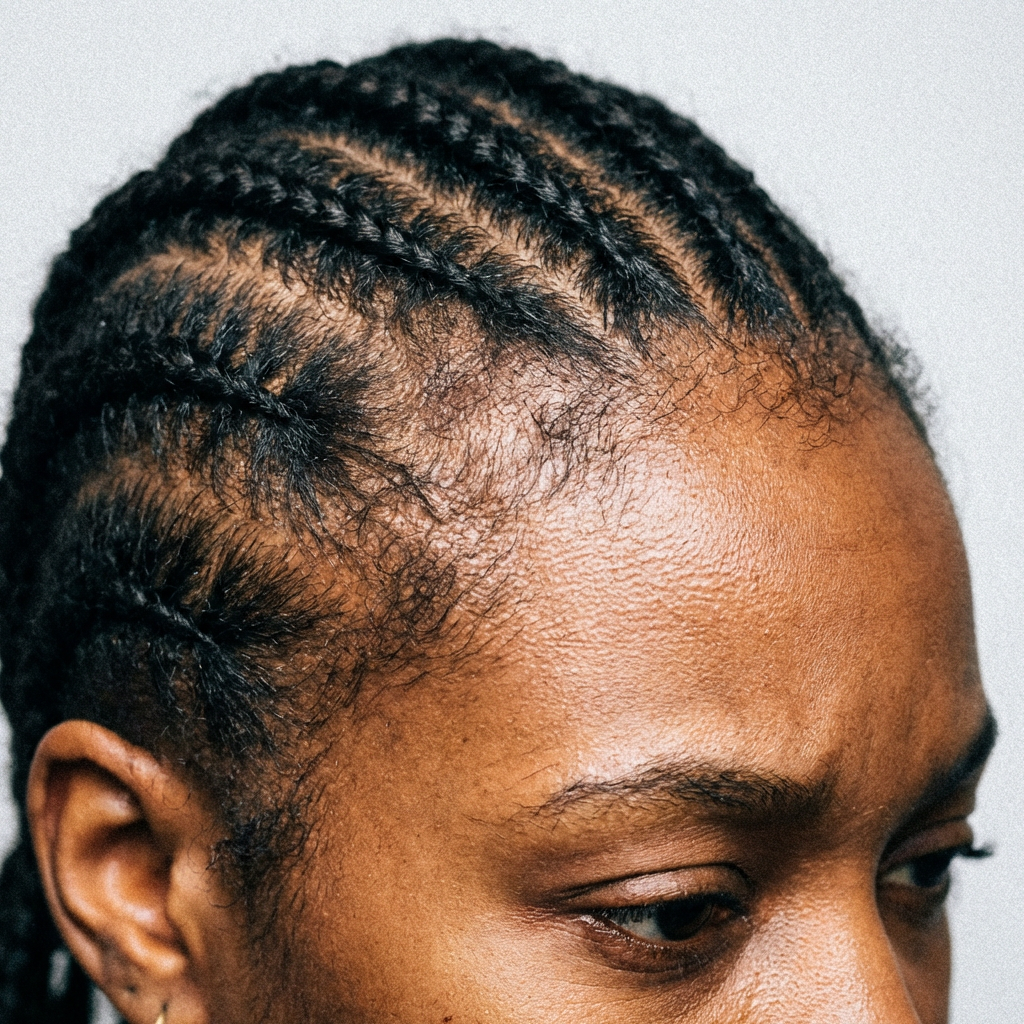
Traction alopecia is a common type of hair loss caused by prolonged, repeated tension pulling on the hair follicles. Unlike genetic or hormonal hair loss, this condition is completely preventable and often reversible if caught early. It occurs most often in people who frequently wear tight hairstyles, but it can affect anyone who puts consistent physical stress on their hair roots.
The main cause of traction alopecia is continuous pulling force on the scalp. Hairstyles that tightly pull the hair backward or upward are the biggest contributors. These include tight ponytails, high buns, braids, cornrows, dreadlocks, weaves, extensions, and wigs secured with tight clips or glue. Over time, this constant tension damages the follicles, weakens hair roots, and disrupts the normal hair growth cycle.
Many people develop traction alopecia gradually without noticing early warning signs. Common symptoms include redness, itching, tenderness, or small bumps along the hairline. As the condition progresses, hair starts to thin noticeably, especially at the temples, edges, and hairline. In early stages, the hair may simply look fragile or short, but in advanced cases, the follicles become permanently damaged and stop growing new hair entirely.
Certain lifestyle and styling habits increase the risk. Wearing the same tight hairstyle for long periods, using heavy extensions or weaves, sleeping with hair pulled back tightly, and using harsh tools to pull hair taut all contribute to follicle damage. People with curly, coily, or textured hair are often at higher risk because these hair types are frequently styled in tight, long-lasting styles that place significant tension on the scalp.
The most effective way to treat traction alopecia is to stop the pulling immediately. Changing to loose, low-tension hairstyles removes stress from the follicles and allows them to recover. Avoiding braids, weaves, extensions, and tight elastics for several months gives the scalp time to heal. In many early cases, hair will start to regrow naturally once tension is removed.
Supporting scalp health is also essential for recovery. Gentle scalp massages improve blood circulation, deliver nutrients to weakened follicles, and reduce inflammation. Using mild, sulfate-free shampoos and nourishing conditioners keeps the scalp hydrated and healthy. Natural ingredients such as rosemary oil, castor oil, aloe vera, and peppermint oil can stimulate follicles, reduce shedding, and support healthier, stronger regrowth.
In more persistent cases, targeted hair growth treatments may help. Topical serums with caffeine, biotin, peptides, or redensyl can strengthen follicles and encourage new growth. These products are safe, non-irritating, and designed to revive damaged follicles without harsh chemicals.
Preventing traction alopecia is always easier than treating it. Simple changes such as wearing looser hairstyles, rotating styles regularly, using soft hair ties, avoiding excessive pulling during brushing, and giving the scalp regular breaks from tension can protect follicles long-term. Being gentle with the hairline and edges is especially important for maintaining full, healthy hair.
If traction alopecia is severe and follicles are permanently damaged, professional treatments may be recommended. However, with early intervention, gentle care, and reduced tension, most people can fully recover and restore natural hair density.
 English
 Chinese
 Malay
 Thai
 Vietnamese
 Tagalog
 Indonesian