What Does a Healthy Scalp Look Like?
What Does a Healthy Scalp Look Like?
A healthy scalp is the foundation of strong, vibrant, and resilient hair. Yet, many people focus solely on hair appearance while overlooking the scalp’s health—unaware that issues like hair loss, dryness, frizz, or dullness often stem from an unhealthy scalp environment. Understanding what a healthy scalp looks like is the first step to nurturing it, preventing common hair problems, and supporting optimal hair growth. A healthy scalp is defined by a balance of moisture, pH, and microbiome, free from inflammation, irritation, and excess buildup. It manifests in specific visual, tactile, and functional characteristics that vary slightly by hair type but share core traits of wellness.
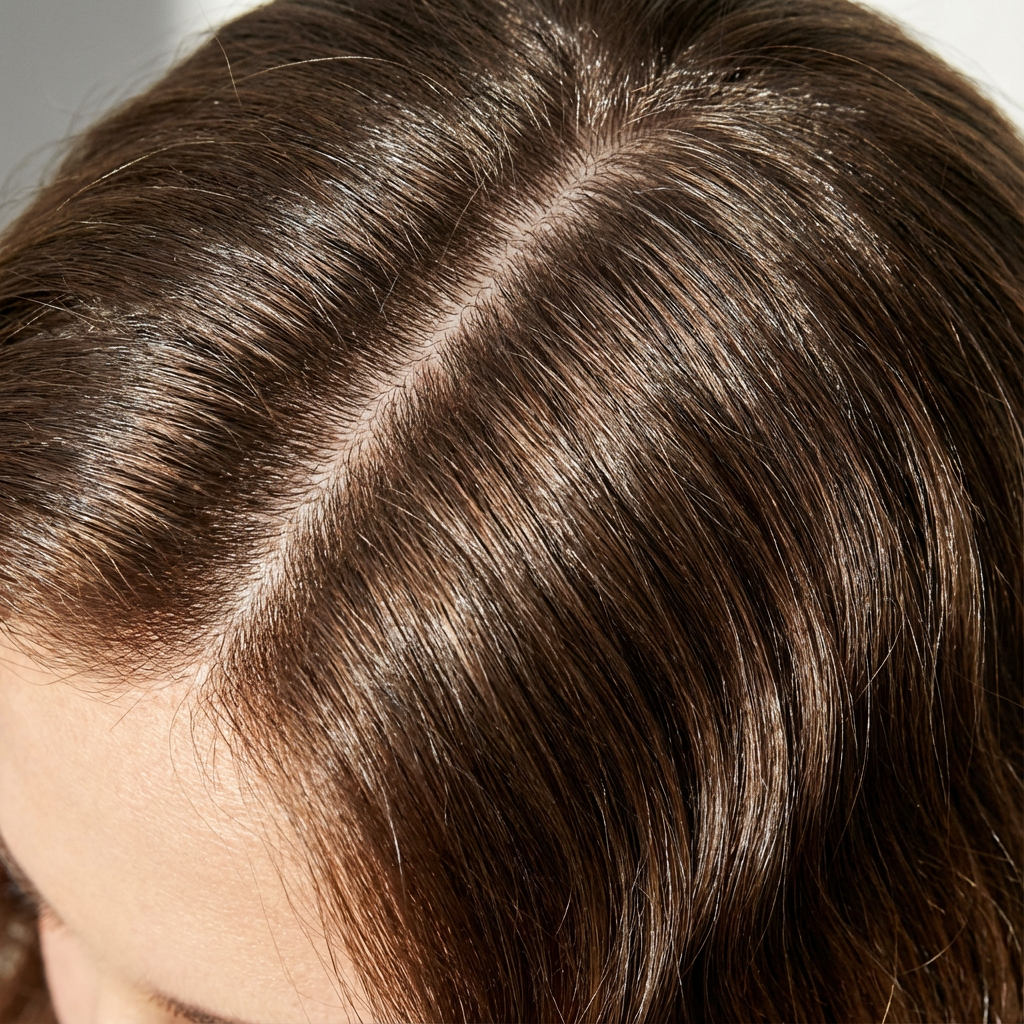
To start, the color of a healthy scalp is consistent with an individual’s natural skin tone, with subtle variations depending on ethnicity and sun exposure. For most people, a healthy scalp appears light pink to medium pink (for lighter skin tones) or a rich, even brown (for deeper skin tones)—free from redness, yellowish discoloration, or patchy pigmentation. Redness often indicates inflammation, irritation, or conditions like dermatitis or folliculitis. Yellow or orange hues may signal excess oil, product buildup, or fungal overgrowth (such as dandruff). Uneven pigmentation or dark spots could be a sign of chronic inflammation, sun damage, or post-inflammatory hyperpigmentation from past scalp issues. A healthy scalp’s color is uniform across the entire scalp, with no sudden changes or concentrated areas of discoloration.
The texture and moisture balance of a healthy scalp are equally important. A healthy scalp is neither overly dry nor excessively oily—it maintains a moderate level of natural oil (sebum) that acts as a protective barrier. When touched, it feels smooth, supple, and slightly moisturized, not tight, flaky, or greasy. Dry, rough scalp texture often accompanies flaking (dandruff or seborrheic dermatitis), itching, and tightness, caused by insufficient sebum production, environmental dryness, or harsh hair products. An overly oily scalp feels greasy, heavy, and sticky even shortly after washing, due to overactive sebaceous glands triggered by factors like hormones, stress, or poor diet. A balanced scalp’s texture allows sebum to distribute evenly along the hair shaft, nourishing hair without causing buildup or greasiness.
A healthy scalp is free from excessive flaking, itching, or irritation. While it’s normal to have a tiny amount of dead skin cells (as part of the skin’s natural renewal process), visible flakes, persistent itching, or a burning sensation are clear signs of imbalance. Dandruff (white, dry flakes) or cradle cap (thick, yellowish scales) indicates a disrupted scalp microbiome—often due to overgrowth of the yeast Malassezia. Itching that leads to scratching can damage hair follicles and cause micro-tears in the scalp, increasing the risk of infection and hair loss. A healthy scalp should feel comfortable throughout the day, with no urge to scratch or discomfort.
The hair follicles on a healthy scalp are intact, uniform, and free from blockage. When examining the scalp closely (e.g., by parting hair), follicles should appear as small, clean pores with a single hair emerging from each (or multiple hairs for thicker hair types). Clogged follicles—visible as tiny bumps, blackheads, or whiteheads—are a sign of buildup from oil, dead skin, or styling products. Blocked follicles can suffocate hair roots, weaken hair growth, and lead to inflammation or folliculitis (small, red, pus-filled bumps). Healthy follicles are also free from scarring or damage, which can occur from chronic inflammation, aggressive scratching, or tight hairstyles.
A healthy scalp supports consistent, strong hair growth and minimal shedding. While it’s normal to lose 50–100 hairs per day (as part of the natural hair growth cycle), excessive shedding, thinning hair, or patchy bald spots often indicate an unhealthy scalp. A healthy scalp provides a nourishing environment for follicles, delivering oxygen and nutrients via proper blood circulation, which supports the growth of thick, resilient hair strands. Hair growing from a healthy scalp is less prone to breakage, split ends, or brittleness, as it receives adequate moisture and nutrients from the root.
The scalp microbiome—the community of beneficial bacteria and fungi that live on the scalp—plays a crucial role in scalp health, though it’s invisible to the naked eye. A healthy scalp has a balanced microbiome, where beneficial microbes (like certain strains of Lactobacillus or Staphylococcus) outnumber harmful ones (like Malassezia or pathogenic bacteria). An imbalanced microbiome can lead to inflammation, dandruff, itching, or infections. Signs of a balanced microbiome include a lack of unpleasant odors (a healthy scalp has a subtle, neutral scent) and no excessive oiliness or dryness.
It’s important to note that healthy scalp characteristics can vary slightly by hair type. For example:
- Oily hair types may have a slightly more moisturized scalp with more visible sebum, but still without greasiness or buildup.
- Dry hair types may have a drier scalp texture but should not be flaky or itchy.
- Curly or coily hair types often have a scalp that appears drier due to sebum’s difficulty traveling down the hair shaft, but healthy curly scalps are still free from excessive flaking or irritation.
- Color-treated or chemically processed hair requires extra care to maintain scalp health, as chemicals can disrupt the cuticle and microbiome—healthy scalps in this category are free from redness, burning, or peeling post-treatment.
Common misconceptions about scalp health can lead to neglect or over-treatment. For example, some people mistake normal sebum production for “greasiness” and over-wash their hair, stripping the scalp of essential oils and causing dryness. Others ignore mild itching or flaking, allowing minor issues to escalate into chronic conditions. A healthy scalp is not “perfect” but balanced—able to regulate oil production, fight off harmful microbes, and support hair growth without constant intervention.
Maintaining a healthy scalp involves simple, consistent habits: gentle cleansing with sulfate-free shampoos, avoiding harsh chemicals or excessive heat styling, protecting the scalp from UV radiation, maintaining a nutrient-dense diet (rich in protein, biotin, iron, and omega-3 fatty acids), staying hydrated, managing stress, and avoiding tight hairstyles that cause traction. Regular scalp massages can also improve blood circulation and support microbiome balance.
In conclusion, a healthy scalp is characterized by even color consistent with natural skin tone, balanced moisture and texture (neither dry nor greasy), no excessive flaking or itching, intact, unclogged hair follicles, support for strong hair growth, and a balanced microbiome. It is a resilient, self-regulating environment that nourishes hair from the root and protects against damage. By recognizing these traits, individuals can assess their own scalp health, address minor imbalances early, and adopt habits that preserve scalp wellness—ultimately leading to healthier, more vibrant hair.
limiluo 2 (Pawis-Patunay Sariwang)
Limiluo No.2 Shampoo | Targeted Dandruff Removal & Luminous Shine Boost
Crafted to solve dual hair concerns—persistent dandruff and dull, lackluster strands—this shampoo combines gentle yet effective anti-dandruff ingredients with shine-enhancing nutrients. It targets the root causes of flaking while reviving hair’s natural luster, leaving you with a clean, calm scalp and radiant, glossy locks.
 English
 Chinese
 Malay
 Thai
 Vietnamese
 Tagalog
 Indonesian