
Follicle Stimulating Hormone and Hair Loss
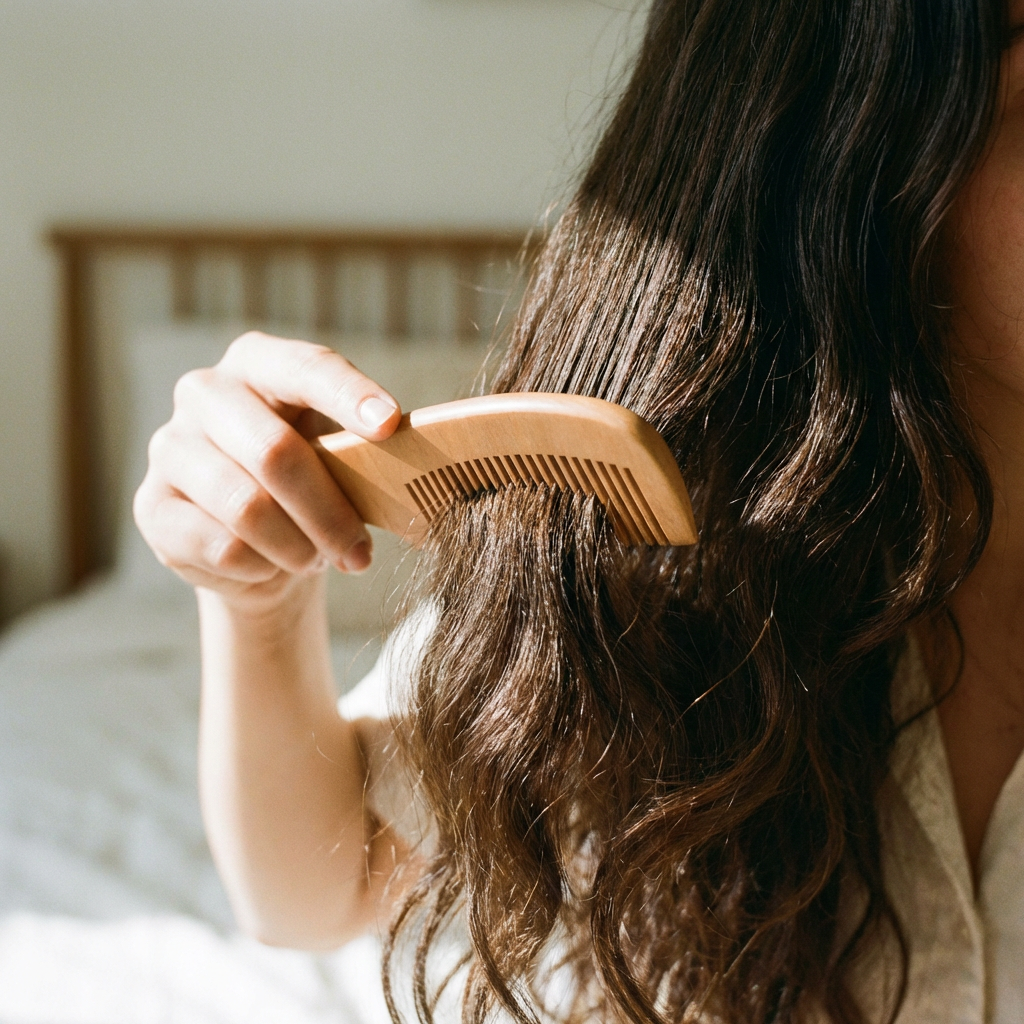
Follicle Stimulating Hormone and Hair Loss
Follicle Stimulating Hormone (FSH) is a hormone produced in the pituitary gland that regulates reproductive function in both men and women. Although its name includes the word “follicle,” FSH does not directly stimulate scalp hair follicles. Instead, it acts as a key marker of hormonal balance, and strong shifts in FSH levels are closely associated with widespread hair loss and thinning, especially in women.
How FSH Relates to Hair Growth
FSH works alongside estrogen, progesterone, and testosterone. In women, FSH levels rise sharply when estrogen declines—most notably during perimenopause and menopause. Because estrogen supports the hair growth cycle, low estrogen and high FSH together disrupt follicle activity.
Hair follicles stay in the active anagen (growth) phase longer when estrogen is balanced. When estrogen drops and FSH rises, many follicles shift early into the telogen (shedding) phase, leading to noticeable shedding and diffuse thinning across the scalp.
FSH and Hair Loss in Women
Women are far more likely to experience hair loss related to FSH shifts.
Menopause and Perimenopause
During menopause, estrogen falls and FSH increases significantly. This hormonal shift is a common cause of:
- Increased daily hair shedding
- Overall thinner, finer hair
- Slower growth rate
- Reduced volume and density
Postpartum Hair Loss
After childbirth, estrogen and progesterone drop suddenly, allowing FSH to rise. This rapid change pushes thousands of follicles into shedding, resulting in postpartum hair loss.
PCOS and Hormonal Imbalance
In women with PCOS, FSH and testosterone ratios are often imbalanced. This disruption can weaken follicles, increase shedding, and contribute to long-term thinning.
FSH and Hair Loss in Men
Men produce FSH, but it plays a much smaller role in male hair loss. Most male pattern baldness is driven by DHT (dihydrotestosterone) and testosterone, not FSH. However, extreme FSH imbalances may still affect overall hormone health and contribute to mild shedding.
Common Signs of FSH‑Related Hair Loss
- Thinning appears all over the scalp, not just in patches
- Hair falls out more easily when washing or brushing
- Hair feels weaker, slower‑growing, and less dense
- Onset occurs during menopause, perimenopause, postpartum, or major hormonal changes
How to Support Hair Health During FSH Imbalances
Support Hormone Balance
A stable hormonal environment helps protect follicles. Focus on nutrition, sleep, stress management, and gentle exercise.
Nourish Follicles
Key nutrients for hair health include biotin, iron, protein, zinc, vitamin D, and omega‑3 fatty acids.
Stimulate Scalp and Follicles
Regular scalp massage and hair serums with caffeine, rosemary oil, Redensyl, or Procapil can improve circulation and reduce shedding.
Gentle Hair Care
Avoid tight hairstyles, excessive heat, and harsh products that stress fragile follicles.
Medical Guidance
If hair loss is severe, a doctor can test FSH, estrogen, thyroid, and other hormones to identify and address the root cause.
 English
 Chinese
 Malay
 Thai
 Vietnamese
 Tagalog
 Indonesian