
How to stop female hair loss naturally?
How to stop female hair loss naturally?
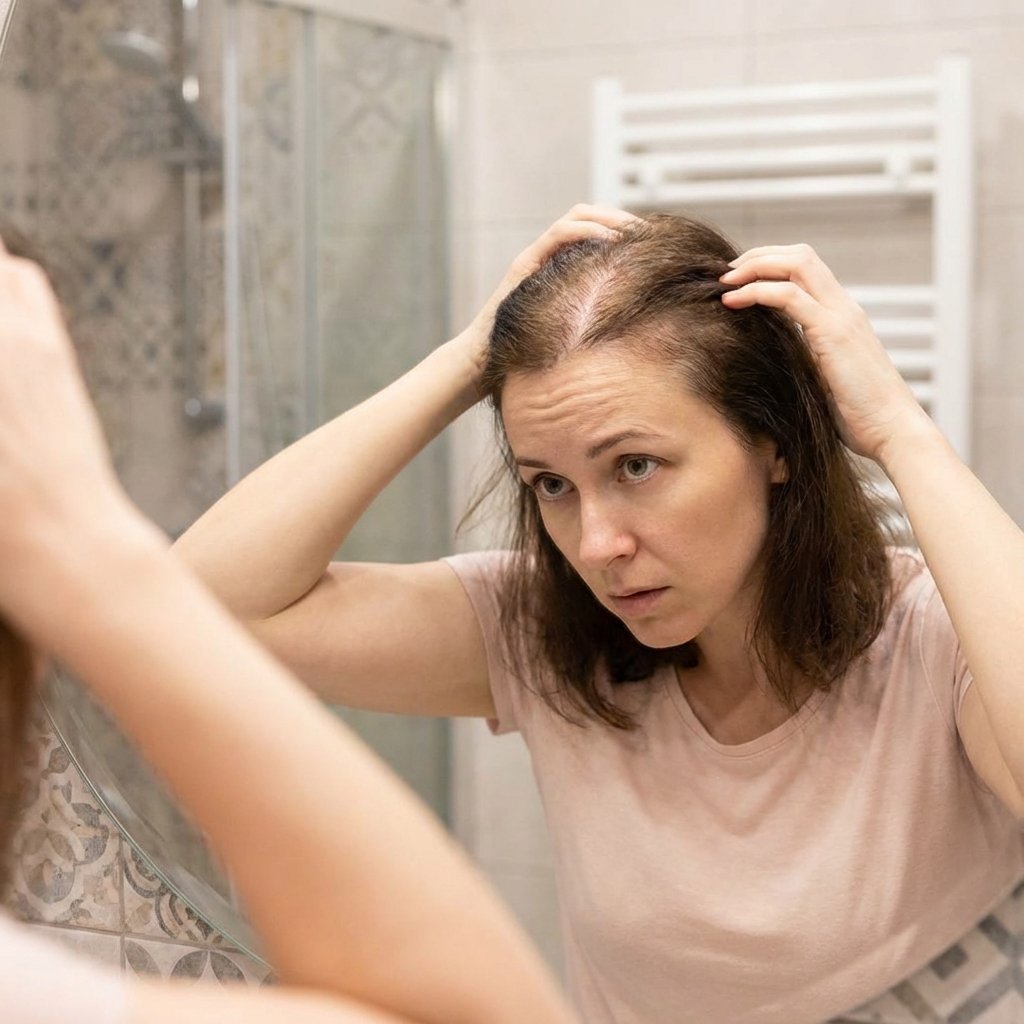
Female hair loss is a widespread, emotionally challenging condition that impacts women across all life stages, including young adults, new mothers, women in their middle years, and those approaching menopause. Unlike male pattern baldness, which typically presents as distinct bald patches or a receding hairline, most women experience generalized hair thinning across the entire scalp, often accompanied by increased shedding during washing, brushing, and styling. While medical interventions exist, many women prefer natural methods to address hair loss due to concerns about side effects, long‑term dependency, and hormonal interference. The good news is that most cases of female hair loss are rooted in lifestyle, nutrition, stress, and mild hormonal imbalance, making them highly responsive to holistic, natural care. By targeting internal health, scalp vitality, daily habits, and hormonal stability, women can successfully slow, reduce, and even reverse hair loss while supporting consistent, healthy hair growth.
Nutrition is the absolute foundation of stopping female hair loss naturally. Hair is primarily composed of keratin, a structural protein, meaning consistent protein intake is non‑negotiable for strong follicles and resilient strands. Women who follow restrictive diets, vegan or vegetarian plans without proper planning, or skip meals regularly often suffer from insufficient protein, leading to weak follicles, slow growth, and excessive shedding. Excellent dietary sources include eggs, fatty fish, skinless poultry, lean red meat, dairy products, lentils, chickpeas, tofu, and Greek yogurt. Beyond protein, iron deficiency is one of the leading nutritional causes of hair loss in women, especially those with heavy menstrual cycles, pregnancy, breastfeeding, or low red meat consumption. Iron supports hemoglobin production, which carries oxygen to hair follicles; without adequate oxygen, follicles weaken and trigger telogen effluvium, a temporary but severe form of shedding. Iron‑rich foods include spinach, kale, lentils, liver, dried apricots, and pumpkin seeds, and pairing these with vitamin C‑rich fruits like oranges and strawberries improves absorption. Additionally, biotin, zinc, vitamin B complex, folate, and omega‑3 fatty acids support follicle metabolism, reduce inflammation, and prevent breakage. Vitamins A, C, and E act as antioxidants, protecting the scalp and hair from oxidative damage. A consistent, nutrient‑dense diet repairs follicle function from within and creates a sustainable environment for healthy hair.
Chronic stress is one of the most dominant triggers of female hair loss. Women often juggle overlapping responsibilities including careers, caregiving, household duties, social expectations, and emotional labor, leading to persistent mental and physical tension. Long‑term stress elevates cortisol, the primary stress hormone, which severely disrupts the hair growth cycle and forces large numbers of follicles into an early resting phase. This sudden shift results in noticeable, widespread shedding that can continue for months if stress remains unmanaged. Natural stress reduction does not require extreme lifestyle changes; simple daily practices such as guided meditation, deep breathing exercises, gentle yoga, outdoor walking, journaling, and adequate rest can lower cortisol levels gradually. Even 15 to 20 minutes of intentional relaxation per day can stabilize hormone function, protect follicles, and reduce stress‑related hair loss. Creating healthy boundaries, reducing overcommitment, and prioritizing mental rest are equally important for long‑term scalp and hair health.
Targeted scalp care is essential for halting hair loss naturally, as follicle health depends entirely on a balanced, clean, and well‑circulated scalp. Many women overlook scalp health, focusing only on hair appearance, but a damaged scalp cannot support healthy growth. Buildup from styling products, excess sebum, dead skin cells, and environmental pollutants clogs pores, causes inflammation, and suffocates follicles. Gentle, regular cleansing with sulfate‑free, mild shampoos removes impurities without stripping the scalp’s natural protective oils. Over‑washing dries the scalp, while infrequent washing leads to congestion, so balance is key. Daily scalp massage using fingertips boosts blood circulation, delivering more oxygen and nutrients directly to follicles, keeping them active and strong. Natural oils such as cold‑pressed coconut oil, rosemary oil, jojoba oil, castor oil, and almond oil can be used in pre‑shampoo treatments to moisturize the scalp, reduce inflammation, soothe irritation, and strengthen hair roots. Aloe vera gel balances scalp pH, reduces dandruff, and supports tissue repair. Avoiding harsh chemical treatments, excessive heat styling, and aggressive brushing protects the hair cuticle from irreversible damage and reduces breakage, which many women mistake for actual hair loss.
Balancing hormones naturally is critical for women, as hormonal fluctuation is the most common internal cause of female hair loss. Conditions including polycystic ovary syndrome, thyroid dysfunction, postpartum changes, menopause, and discontinuation of birth control can all trigger significant thinning. Unlike men, whose hair loss is mostly driven by DHT, women’s hair loss is closely linked to estrogen, progesterone, and androgen imbalance. Natural hormonal support includes maintaining a stable, healthy weight, limiting refined sugars and processed foods, increasing fiber intake, staying hydrated, and consuming hormone‑balancing foods such as flaxseeds, fenugreek, sweet potatoes, and leafy greens. Adaptogenic herbs like ashwagandha and shatavari help regulate stress hormones and reproductive hormones without pharmaceutical intervention. Regular, consistent sleep and moderate physical activity further stabilize hormonal function and prevent hormone‑related shedding.
Eliminating damaging hair habits is an immediate, effective way to reduce preventable hair loss. Tight hairstyles such as high ponytails, tight braids, weaves, and sleek buns create constant tension on follicles, leading to traction alopecia, a permanent form of hair loss if prolonged. Switching to loose, low‑tension styles removes follicle stress and allows roots to recover. Brushing gently with soft, natural bristle brushes or wide‑tooth combs prevents breakage, and brushing wet hair should be avoided entirely, as wet strands are fragile and prone to stretching. Limiting hair dyeing, bleaching, perming, and chemical straightening reduces structural damage, while air‑drying instead of heat styling preserves hair strength. These small habit changes significantly reduce daily shedding and improve overall hair density over time.
Adequate sleep and regular physical activity complete the holistic natural hair care routine. Most tissue repair, follicle regeneration, and hormone balancing occur during deep sleep, so consistent seven to eight hours nightly is vital. Sedentary lifestyles reduce scalp blood flow, weakening follicles and slowing growth; regular movement such as walking, cycling, or strength training improves circulation, reduces stress, and enhances nutrient delivery. Smoking and excessive alcohol consumption dehydrate the scalp, restrict blood vessels, and disrupt nutrient absorption, so avoiding these habits preserves long‑term hair health.
Patience and consistency are the most important elements of natural female hair loss recovery. Natural methods work gradually, typically requiring three to six months to show visible improvement, as hair grows only about one centimeter per month. Unlike quick‑fix medical treatments, holistic changes create lasting, sustainable hair health by addressing root causes rather than masking symptoms.
In conclusion, female hair loss can be effectively controlled, reduced, and reversed using safe, gentle, natural methods focused on nutrition, stress management, scalp care, hormonal balance, and healthy daily habits. These approaches support whole‑body wellness while restoring follicle function, reducing hair loss, and encouraging thick, strong, vibrant hair growth. By prioritizing internal balance and external care, women can regain hair confidence without medication or invasive procedures.
limiluo 2 (Segar Tahan Keringat)
Crafted to solve dual hair concerns—persistent dandruff and dull, lackluster strands—this shampoo combines gentle yet effective anti-dandruff ingredients with shine-enhancing nutrients. It targets the root causes of flaking while reviving hair’s natural luster, leaving you with a clean, calm scalp and radiant, glossy locks.
 English
 Chinese
 Malay
 Thai
 Vietnamese
 Tagalog
 Indonesian