
How to Stimulate Hair Follicles for Hair Growth Naturally
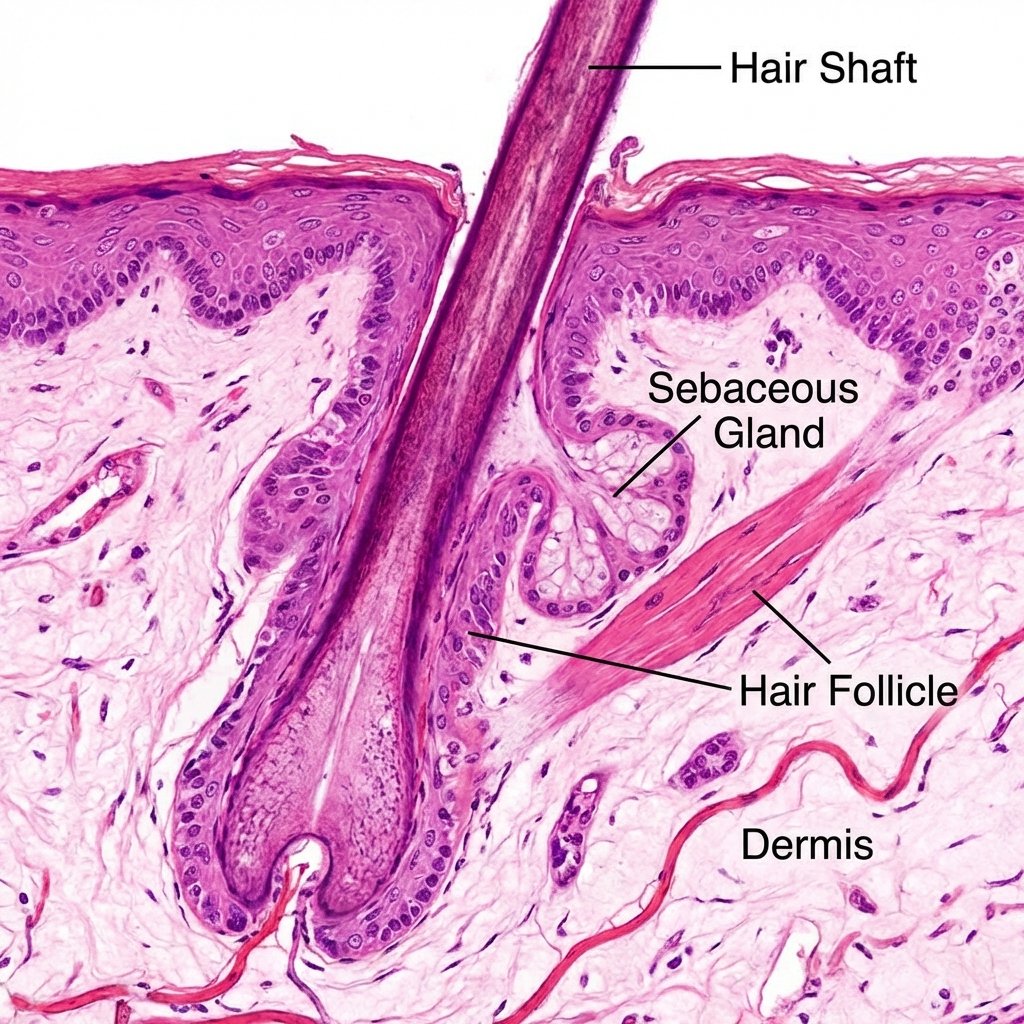
How to Stimulate Hair Follicles for Hair Growth Naturally
Healthy, active hair follicles are the foundation of thick, vibrant hair growth. When follicles become weak, dormant, or damaged, hair growth slows, thins, or stops entirely. While genetics and hormonal changes play roles, many factors that suppress follicle activity are modifiable—making natural stimulation a safe, effective way to revitalize hair growth without harsh chemicals or invasive treatments. By targeting blood circulation, nutrition, scalp health, and reducing stress, you can naturally 唤醒 (awaken) dormant follicles, strengthen weak ones, and create an optimal environment for sustained hair growth.
1. Boost Scalp Circulation to Feed Follicles
Hair follicles rely on oxygen and nutrients delivered via blood—poor blood circulation to the scalp starves follicles, leading to dormancy or weakness. Natural methods to improve circulation directly stimulate follicle activity:
- Daily Scalp Massage: Use clean fingertips to massage the scalp in slow, circular motions for 5–10 minutes. Apply gentle pressure to avoid irritation—this dilates blood vessels, increasing blood flow to follicles. Enhance effects by adding 2–3 drops of essential oils like rosemary oil (proven in studies to rival minoxidil for stimulating growth), peppermint oil (invigorates the scalp and boosts circulation), or lavender oil (reduces inflammation).
- Dry Brushing: Use a soft-bristled hairbrush (preferably boar bristle) to brush hair from roots to ends gently before washing. Dry brushing removes dead skin cells, unclogs follicles, and stimulates blood flow without damaging wet, fragile hair.
- Exercise Regularly: Activities that increase heart rate—running, cycling, yoga, or swimming—improve overall circulation, including to the scalp. Aim for 30 minutes of moderate exercise 5 times weekly to keep blood flowing to hair roots.
- Inversion Method: Lie flat on your back and hang your head over the edge of a bed for 5–10 minutes daily. This gentle inversion increases blood flow to the scalp via gravity, nourishing follicles. Avoid if you have high blood pressure or dizziness.
2. Nourish Follicles with Targeted Nutrition
Follicles require specific nutrients to produce strong, healthy hair—deficiencies directly weaken follicle function. Focus on a nutrient-dense diet and natural supplements (under professional guidance):
- Protein: Hair is 90% keratin, a protein—insufficient intake leads to weak follicles and slow growth. Eat lean meats, fish (salmon, sardines), eggs, dairy, beans, lentils, and tofu. Aim for 0.8–1g of protein per kg of body weight daily.
- Iron: Iron carries oxygen to follicles—deficiency causes telogen effluvium (temporary shedding) and follicle dormancy. Include spinach, kale, red meat, pumpkin seeds, lentils, and fortified cereals. Pair iron-rich foods with vitamin C (citrus, bell peppers) to boost absorption.
- Biotin (Vitamin B7): Supports keratin production and follicle health. Sources include nuts (almonds, walnuts), seeds (chia, flax), avocados, whole grains, and eggs.
- Zinc: Regulates oil production, reduces scalp inflammation, and aids follicle repair. Found in oysters, chicken, beans, quinoa, and pumpkin seeds.
- Omega-3 Fatty Acids: Reduce scalp inflammation and moisturize follicles. Eat fatty fish, flaxseeds, chia seeds, and walnuts, or take a plant-based omega-3 supplement.
- Vitamin D: Low levels link to hair loss—sunlight (15–20 minutes daily) or foods like fatty fish, fortified dairy, and mushrooms boost vitamin D.
- Hydration: Dehydration dries out the scalp and weakens follicles—drink 2–3 liters of water daily to maintain moisture balance.
3. Support Scalp Health to Unclog and Protect Follicles
A healthy scalp is a fertile ground for follicles—buildup, inflammation, or dryness blocks follicles and inhibits growth:
- Gentle Cleansing: Use sulfate-free, pH-balanced shampoos to clean the scalp without stripping natural oils (sebum), which protect follicles. Over-washing dries the scalp; wash 2–3 times weekly for most hair types.
- Scalp Exfoliation: Remove dead skin cells, oil, and product buildup with a natural exfoliant 1–2 times monthly. Mix 1 tablespoon of brown sugar with 2 tablespoons of coconut oil, massage gently into the scalp, then rinse. Exfoliation unclogs follicles and allows nutrients to penetrate.
- Natural Scalp Treatments:
- Fermented Rice Water: Rich in inositol, amino acids, and vitamins, it repairs follicles and boosts growth. Ferment rice in water for 24–48 hours, strain, and apply to the scalp for 15–20 minutes before washing.
- Aloe Vera Gel: Fresh aloe vera soothes inflammation, balances scalp pH, and moisturizes follicles. Apply directly to the scalp, leave for 30 minutes, then rinse.
- Green Tea Rinse: Brew green tea, cool, and pour over the scalp after shampooing. Green tea contains antioxidants that protect follicles from damage and reduce DHT (a hormone that shrinks follicles).
- Protect from Environmental Damage: UV radiation, pollution, and hard water damage follicles. Wear a hat outdoors, use a scalp sunscreen, and install a shower filter to remove harsh minerals.
4. Reduce Stress to Prevent Follicle Dormancy
Chronic stress elevates cortisol levels, which disrupt the hair growth cycle and push follicles into the resting phase. Natural stress management revitalizes follicle activity:
- Meditation & Mindfulness: Practice 10–15 minutes of daily meditation, deep breathing, or guided mindfulness to lower cortisol. Apps like Headspace or Calm offer beginner-friendly sessions.
- Yoga & Tai Chi: These gentle practices combine movement, breathwork, and relaxation, reducing stress and improving circulation to the scalp.
- Adequate Sleep: Aim for 7–9 hours of quality sleep nightly—follicles repair and regenerate during deep sleep. Avoid screens 1 hour before bed to improve sleep quality.
- Hobbies & Relaxation: Engage in activities that bring joy (reading, gardening, painting) to reduce mental stress. Social connections and laughter also lower cortisol levels.
5. Avoid Follicle-Damaging Habits
Certain daily habits weaken or damage follicles—eliminating them is critical for natural stimulation:
- Tight Hairstyles: High ponytails, braids, buns, or extensions create constant tension on follicles, leading to traction alopecia. Opt for loose styles to reduce pressure.
- Heat Styling: Excessive use of blow dryers, flat irons, or curling wands (temperatures over 180°C) damages the hair cuticle and weakens follicles. Air-dry hair when possible, use heat protectants, and keep tools on low-to-medium settings.
- Chemical Treatments: Over-dyeing, bleaching, perming, or relaxing hair with harsh chemicals (ammonia, hydrogen peroxide) strips natural oils and damages follicle structure. Reduce treatments to every 6–8 weeks, or use natural alternatives (henna for coloring).
- Aggressive Brushing: Brushing wet hair or using stiff-bristled brushes tears hair and pulls at follicles. Use a wide-tooth comb or soft-bristled brush, and detangle from ends to roots.
- Smoking & Excessive Alcohol: Smoking restricts blood flow to the scalp, while alcohol dehydrates hair and impairs nutrient absorption—both suppress follicle activity. Quit smoking and limit alcohol to 1–2 drinks weekly.
6. Use Natural Follicle-Stimulating Herbs & Remedies
Herbs have been used for centuries to nourish and stimulate hair follicles:
- Saw Palmetto: A natural DHT blocker (beneficial for androgenetic alopecia). Take as a supplement (under guidance) or use a saw palmetto-infused scalp oil.
- Ginseng: Contains ginsenosides that promote follicle growth and reduce inflammation. Brew ginseng tea, cool, and use as a scalp rinse, or take a supplement.
- Fenugreek Seeds: Rich in protein and nicotinic acid, fenugreek stimulates follicles and reduces dandruff. Soak seeds in water overnight, grind into a paste, apply to the scalp for 30 minutes, then rinse.
- Onion Juice: High in sulfur, onion juice improves blood circulation and stimulates follicles. Blend an onion, strain the juice, apply to the scalp for 15–20 minutes, then wash thoroughly (to remove odor). Studies show onion juice can boost regrowth in people with alopecia areata.
7. Be Consistent & Patient
Natural follicle stimulation takes time—hair grows approximately 1 cm per month, and follicles need 3–6 months to awaken and produce visible growth. Consistency is key: stick to a routine of scalp massage, nutrient-rich eating, and gentle care. Avoid "miracle" products or quick fixes—they often contain harsh chemicals that damage follicles long-term.
When to Seek Professional Help
If hair loss is severe (losing 100+ hairs daily for 3+ months), patchy, or accompanied by scalp pain, itching, or scarring, consult a dermatologist or trichologist. Underlying conditions (thyroid disorders, PCOS, anemia) or advanced androgenetic alopecia may require medical intervention. However, even with these conditions, natural stimulation can complement professional treatments.
In conclusion, stimulating hair follicles naturally requires a holistic approach: improving blood circulation to nourish follicles, providing targeted nutrition, maintaining a healthy scalp, reducing stress, and avoiding damaging habits. By combining these strategies, you can awaken dormant follicles, strengthen weak ones, and support sustained, healthy hair growth—without relying on harsh chemicals or invasive procedures. The key is to prioritize long-term scalp and hair health, and trust the natural regenerative power of your body.
 English
 Chinese
 Malay
 Thai
 Vietnamese
 Tagalog
 Indonesian