
Hair Loss After 40 – How to Prevent It?
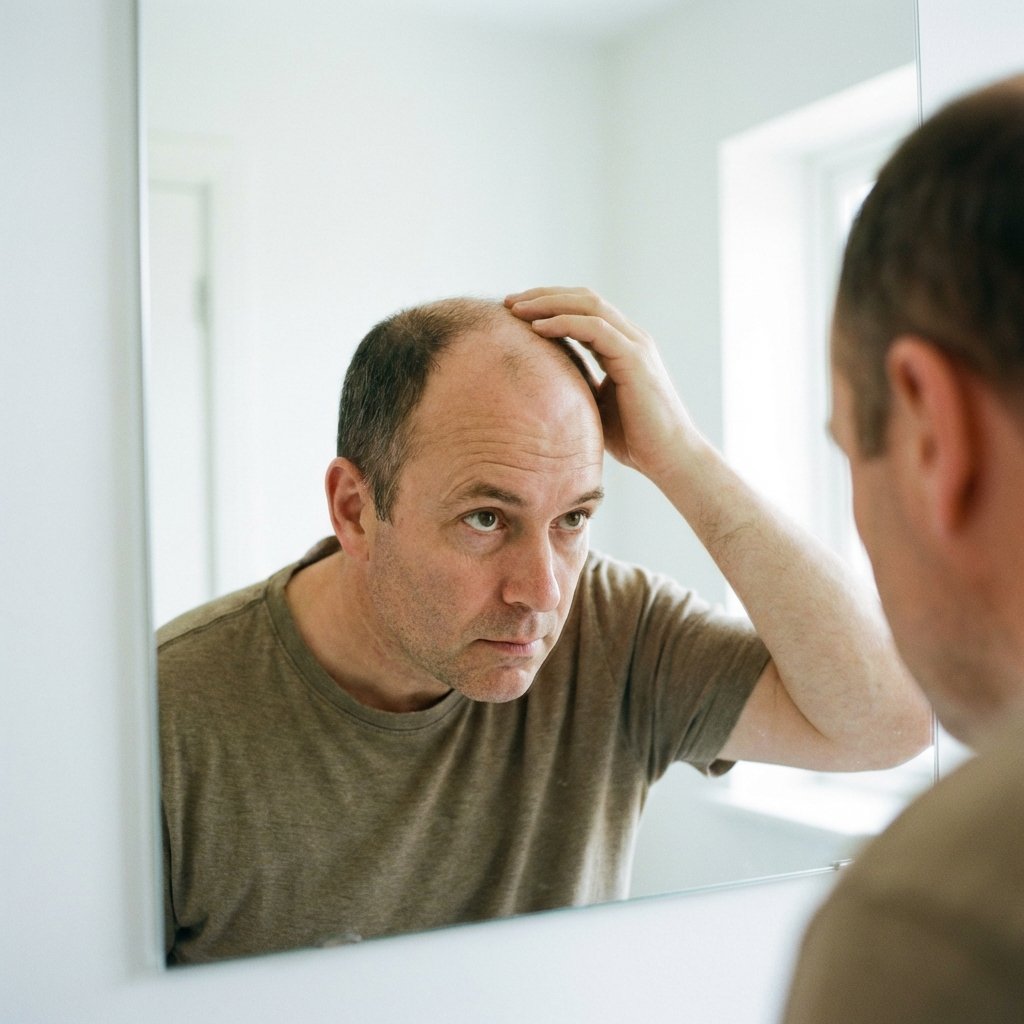
Hair Loss After 40 – How to Prevent It?
After the age of 40, both men and women commonly notice increased hair loss, thinning, reduced volume, and slower hair growth. This is not a coincidence: aging brings hormonal shifts, slower metabolism, weaker circulation, and cumulative damage that directly affect the scalp and hair follicles. While some degree of hair change is natural, preventing and slowing down hair loss after 40 is absolutely possible with targeted, consistent care. Understanding the causes and using science-backed habits can help maintain fuller, healthier hair well into middle age and beyond.
One major cause of hair loss after 40 is hormonal changes. In women, estrogen and progesterone levels drop significantly as they approach perimenopause and menopause. These hormones support hair growth; lower levels shorten the growth phase and extend the resting phase, leading to widespread hair thinning. In men, testosterone converts to DHT, which shrinks follicles and causes receding hairlines or baldness. Hormone balance becomes much more fragile after 40, making hair more sensitive to stress, diet, and lifestyle.
Reduced blood circulation also plays a key role. As the body ages, blood flow to the scalp naturally slows. Hair follicles depend on oxygen and nutrients carried by blood; weak circulation starves follicles, leading to weaker strands and more shedding. Scalp massage, exercise, and scalp-friendly habits can reverse this decline and keep follicles active.
Nutrient absorption decreases with age, making nutritional deficiencies much more common after 40. Even with a good diet, the body absorbs less protein, iron, biotin, zinc, and vitamin D—all critical for strong hair. Since hair is made of keratin, insufficient protein directly leads to slow growth and breakage. Iron deficiency is especially common in women over 40 and is a major trigger of telogen effluvium, a type of temporary but heavy hair loss.
Chronic stress and higher cortisol levels affect people over 40 strongly due to career pressure, family responsibilities, health concerns, and aging-related anxiety. Elevated cortisol disrupts the hair growth cycle and pushes follicles into early shedding. Stress also worsens inflammation, which damages the scalp and weakens roots over time.
Cumulative damage from decades of heat styling, chemical treatments, sun exposure, and harsh hair care begins to show after 40. The hair cuticle becomes thinner and more fragile, leading to dryness, breakage, split ends, and dullness. Hair also loses natural pigment, becoming gray, which can make thinning appear more obvious.
Slower scalp cell turnover is another factor. The scalp’s ability to repair and renew itself decreases with age, causing buildup, dryness, or mild flaking. A sluggish scalp environment prevents healthy growth and clogs follicles.
Although these changes are natural, the following strategies effectively prevent and reduce hair loss after 40:
1. Balance Hormones Naturally
Hormone balance is the foundation of preventing hair loss after 40.
- Eat hormone-friendly foods: flaxseeds, soy, sweet potatoes, leafy greens, and healthy fats.
- Avoid extreme diets, crash weight loss, and excessive sugar, which disrupt hormones.
- For women: Consult a doctor about perimenopause-related changes if thinning is severe.
- For men: Support DHT balance through zinc-rich foods, saw palmetto (under guidance), and scalp circulation.
2. Improve Scalp Circulation
Better blood flow = healthier follicles.
- Massage the scalp daily for 3–5 minutes with fingertips.
- Use rosemary oil, peppermint oil, or coconut oil during massage to boost circulation.
- Exercise regularly: walking, yoga, cycling, and strength training all increase blood flow to the head.
- Avoid tight hats or headbands that restrict circulation.
3. Strengthen Nutrition for Aging Hair
After 40, nutrient intake must be intentional.
- Eat enough protein: eggs, fish, chicken, beans, lentils, Greek yogurt.
- Consume iron-rich foods: spinach, red meat, pumpkin seeds, lentils.
- Include biotin: nuts, avocados, whole grains, eggs.
- Add zinc and omega‑3s: seafood, nuts, olive oil, chia seeds.
- Stay hydrated: water supports scalp moisture and hair elasticity.
- Consider age-appropriate supplements (iron, biotin, vitamin D) only with professional advice.
4. Lower Stress and Cortisol
Chronic stress accelerates aging and hair loss.
- Practice meditation, deep breathing, or gentle yoga daily.
- Maintain consistent sleep: 7–8 hours per night supports follicle repair.
- Set boundaries to reduce mental load from work and family.
- Engage in hobbies and outdoor activities to lower anxiety.
5. Switch to Gentle, Anti-Aging Hair Care
Hair over 40 is weaker and needs milder care.
- Use sulfate-free, moisturizing shampoo to protect the scalp barrier.
- Reduce heat styling: air-dry often and use heat protectant when needed.
- Avoid over-dyeing, bleaching, or perming; use gentle color options.
- Use wide-tooth combs and soft brushes to prevent breakage.
- Avoid tight ponytails, braids, or extensions that cause traction alopecia.
6. Support Scalp Health
A healthy scalp is the base of healthy hair.
- Keep the scalp clean but not over-washed.
- Exfoliate occasionally to remove buildup and unclog follicles.
- Protect the scalp from sun exposure with hats or scalp sunscreen.
- Use aloe vera, rice water, or mild serums to soothe and nourish.
7. Get Regular Trims
Although trimming does not make hair grow faster, it removes split ends and prevents breakage from traveling up the hair shaft. This makes hair look thicker, healthier, and less prone to further damage.
8. Seek Professional Help When Needed
If hair loss is sudden, severe, or patchy, consult a dermatologist or trichologist. Conditions like thyroid disorders, anemia, or alopecia can worsen after 40 and require medical support. Early treatment prevents permanent follicle damage.
It’s important to stay realistic: hair after 40 may be thinner, slower-growing, or grayer than in youth. But with consistent care, it can still be strong, full, and healthy. Prevention works best when started early—even small changes before noticeable thinning will yield long-term benefits.
In conclusion, hair loss after 40 is driven by hormones, reduced circulation, nutrition, stress, and cumulative damage. By balancing hormones, improving circulation, eating nutrient-dense foods, reducing stress, and using gentle hair care, you can effectively prevent excessive shedding and maintain beautiful, resilient hair at every age.
 English
 Chinese
 Malay
 Thai
 Vietnamese
 Tagalog
 Indonesian